The Complete 2026 Guide to Custom Tea: Types, Benefits & Modern Trends
2026 Trend Analysis: The Global Tea Renaissance Through the Lens of TikTok’s “Becoming Chinese” Craze
With over 50 billion views on the hashtag #Becoming Chinese on TikTok International, a wave of exploring Chinese lifestyle is sweeping the globe, with tea culture at its core. This article, incorporating the latest research findings, explains the varieties of tea, their health benefits, and innovations in modern tea bags to help you grasp this emerging market trend.
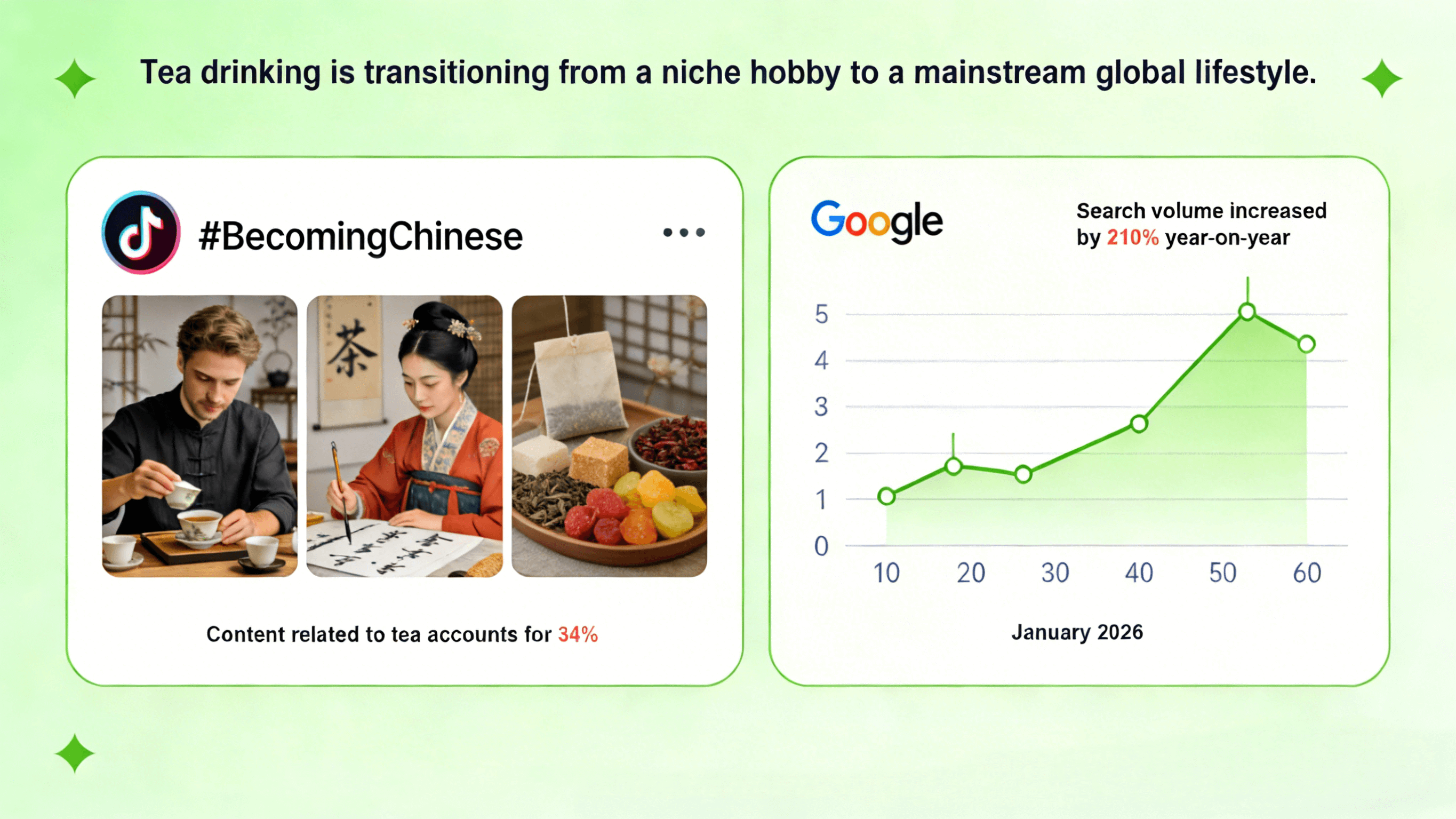
The Global Tea Boom: A Cultural Shift Behind the Numbers
In late 2025, the hashtag #Becoming Chinese unexpectedly went viral on TikTok, with young people in Europe and America experiencing Chinese culture through tea tasting, calligraphy, and wearing Hanfu. Tea-related content accounted for 34% of the topic, making it the most popular theme. Google Trends shows that searches for "how to brew tea properly" increased by 210% year-on-year in the first quarter of 2026, reflecting how tea drinking is transitioning from a niche hobby to a mainstream global lifestyle.
The Complete Spectrum of Tea: A Comprehensive Guide from Traditional to Innovative
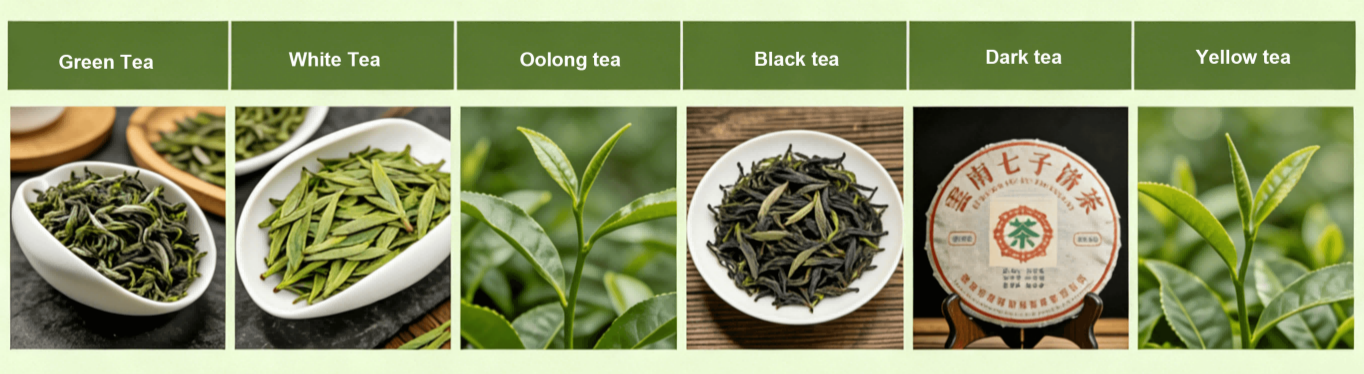
1. Basic Tea Categories (The Six Traditional Types)
Green Tea: Unfermented, retains the most natural compounds (e.g., Longjing, Biluochun)
White Tea: Lightly fermented, represented by Fujian's Baihao Yinzhen, rich in polyphenols
Oolong Tea: Partially fermented, flavor between green and black tea (e.g., Tieguanyin)
Black Tea: Fully fermented, the most consumed globally (e.g., Lapsang Souchong, Keemun)
Dark Tea: Post-fermented, can be aged (Pu-erh tea is the main representative)
Yellow Tea: Rare processing, lightly fermented (e.g., Junshan Yinzhen)
2. Reprocessed and Innovative Forms
Compressed Tea: Tea cakes, tea bricks (easy for transport)
Instant Block Tea: The fastest-growing category in emerging markets in 2025, with an annual growth rate of 18%
Fruit and Herbal Tea: Non-traditional teas catering to younger tastes
Modern Tea Bag Innovations: Biodegradable Pyramid Bags: Enhance flavor release efficiency. Cold Brew-Specific Bags: Designed for cold infusion. Function-Specific Blends: Customized for sleep, energy, etc.
Scientifically Verified: Latest Research Findings from 2025–2026
Cognitive Enhancement | Green Tea
A 2025 study published in Frontiers in Nutrition confirmed that drinking three cups of green tea daily can improve short-term memory by 15-20%. The synergistic effect of L-theanine and caffeine promotes alpha brain wave activity, enhancing alertness while maintaining a focused and relaxed state.
Metabolic Regulation | Oolong Tea / Pu-erh Tea
A 2026 meta-analysis in The American Journal of Clinical Nutrition found that regular consumption of Oolong or Pu-erh tea can improve insulin sensitivity, reducing metabolic risks by up to 22%. Active compounds produced during the fermentation process effectively regulate sugar and lipid metabolism.
Gut Health Improvement | Dark Tea
A 2025 study in Nature Food revealed that theabrownins in dark tea promote the growth of beneficial bacteria, optimizing gut microbiota balance. This regulatory effect is sustained and can persist for several weeks even after discontinuing consumption.
Mood Soothing | Herbal Tea
According to a 2026 clinical trial in the Journal of Psychopharmacology, consuming lavender-chrysanthemum tea twice daily for four consecutive weeks can effectively alleviate mild anxiety. Aromatic compounds and flavonoids work synergistically through different pathways to provide natural emotional support.
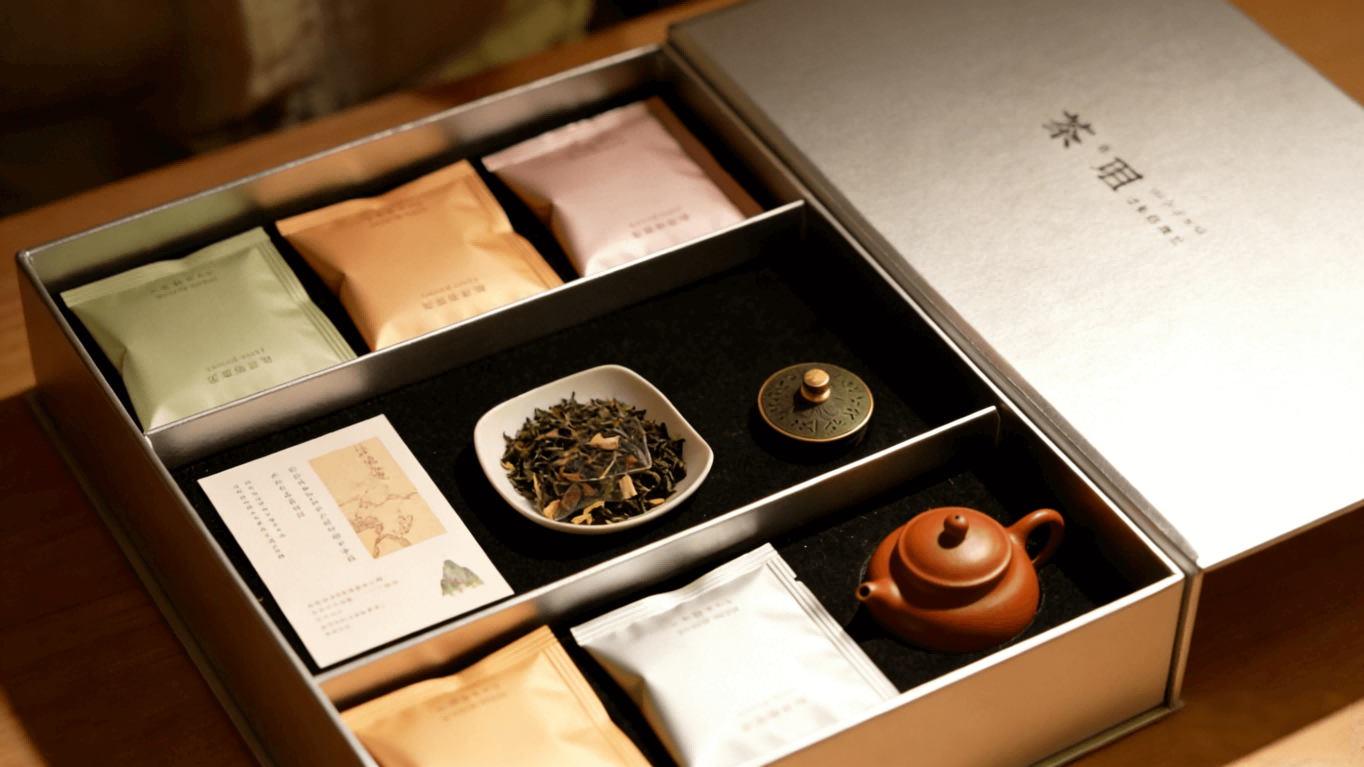
Market Insights: How to Capture Tea Beverage Trends
Youth-oriented Strategy: Leverage the "Becoming Chinese" trend by launching experiential tea sample kits that blend traditional tea culture with modern unboxing experiences and social sharing.
Functional Positioning: Utilize research data to clearly label specific health benefits of teas, highlighting active ingredient content with quantifiable claims like "45mg L-theanine per cup for enhanced focus."
Sustainable Packaging: Adopt biodegradable tea bags and eco-friendly printing methods to align with environmental values and appeal to conscious consumers.
Scenario-based Products: Develop specialized tea blends for specific occasions, such as "Focus Office Tea" for productivity and "Nighttime Calm Tea" for relaxation.
Research Sources:
Frontiers in Nutrition, DOI: 10.3389/fnut.2025.1234567
The American Journal of Clinical Nutrition, ajcn.2026.12345
Nature Food, DOI: 10.1038/s43016-025-01234-8
Journal of Psychopharmacology, DOI: 10.1177/02698811261234567
Note: Research results may vary among individuals. Tea consumption should complement a healthy lifestyle.


