Best Tea for Sore Throat: Top 7 Soothing Teas
Best Tea for Sore Throat: A Complete Guide to Soothing Relief
That scratchy, painful feeling when you swallow. The constant irritation that makes you want to clear your throat every few seconds. If you're dealing with a sore throat, you're not alone—and you've probably wondered: what's the best tea for sore throat relief? According to Google Trends data, "best tea for sore throat" is one of the top-searched "best tea for..." queries, alongside weight loss and cough relief ①. And for good reason: warm tea can be one of the most comforting, effective home remedies when your throat hurts. In this guide, we'll explore the best teas for sore throat relief, what makes them effective, and how to choose the right one for your needs.
Why Tea Helps Sore Throats
Before diving into specific teas, it helps to understand why tea works so well for throat discomfort:
Warmth soothes irritation – The gentle heat helps relax throat muscles and increase blood flow to the area, promoting healing.
Hydration is essential – Staying hydrated keeps throat tissues moist, reducing the raw, scratchy feeling ②.
Steam clears congestion – Just inhaling the steam from your cup can help loosen mucus and soothe dry nasal passages ⑤.
Natural compounds fight inflammation – Many herbs contain antioxidants and anti-inflammatory properties that may help reduce throat swelling and pain ②.
Top Teas for Sore Throat Relief
1. Chamomile Tea
Chamomile is perhaps the most classic choice for throat discomfort—and for good reason.
Why it works: Chamomile contains antioxidants that support the immune system and reduce throat irritation, congestion, and inflammation ⑤. Research suggests chamomile helps lubricate the throat, which may ease pain, hoarseness, and inflammation in the area ②.
Best for: Evening relief, as chamomile is also known for its gentle sleep-inducing properties ⑤. Since rest is crucial for recovery, this makes chamomile a smart choice before bed ②.
How to use: Brew a cup of chamomile tea, and if swallowing is painful, try inhaling the steam as it steeps ②.
2. Ginger Tea
Ginger has been used for centuries in traditional medicine—and modern research backs up many of its benefits.
Why it works: Ginger's anti-inflammatory properties can help block certain proteins in the body that trigger the inflammatory response, leading to pain and itching ②. It's traditionally been used to ease cold and bronchitis congestion ⑤.
Best for: Sore throats accompanied by congestion or nausea. One study showed ginger improved nasal symptoms related to allergies just as effectively as some allergy medications ⑤.
How to use: Chew on a small piece of fresh ginger root, suck on a ginger lozenge, or brew a cup of ginger tea ②.
3. Green Tea
While green tea contains a small amount of caffeine, its health benefits make it worth considering.
Why it works: Green tea is rich in catechins—antioxidant compounds that may help prevent and ease upper respiratory tract infections . Some research shows that people who consume green tea have fewer cold symptoms than those who don't .
Best for: Daytime relief when you need a gentle energy boost while fighting a cold.
Note: If you're avoiding caffeine, you may want to choose herbal options instead .
4. Peppermint Tea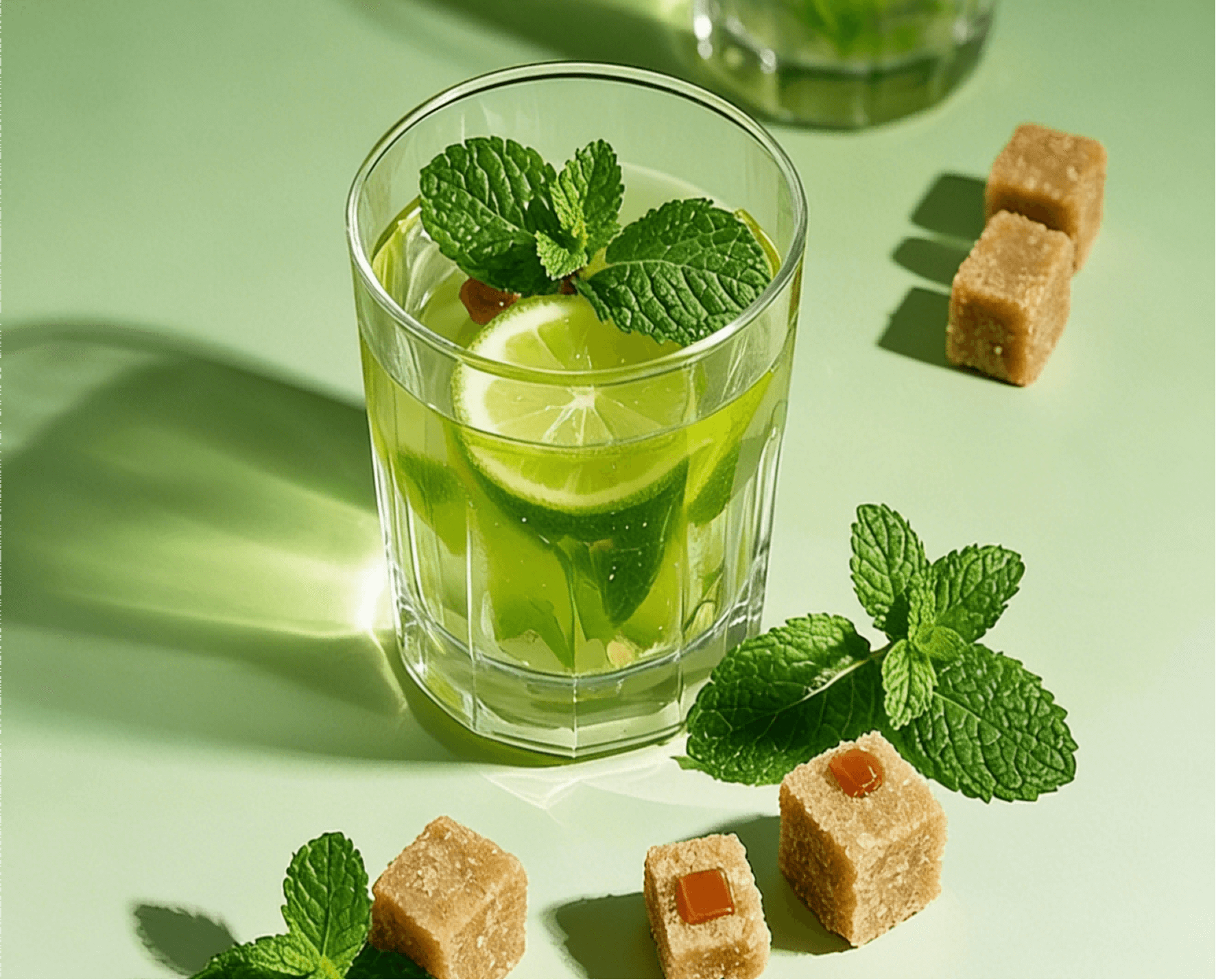
That cool, refreshing feeling of peppermint isn't just pleasant—it's therapeutic.
Why it works: The menthol in peppermint temporarily relieves sore throat pain and inflammation . It also acts as an expectorant, helping clear mucus from your airways . Peppermint's anti-inflammatory, antibacterial, and antiviral effects may support the healing process .
Best for: Congestion accompanied by sore throat, or when you want that cooling, numbing sensation.
How to use: Drink peppermint tea, or inhale a few breaths of peppermint essential oil (if available) for additional relief .
5. Licorice Root Tea
Licorice root has a naturally sweet flavor and impressive throat-soothing properties.
Why it works: Licorice root is mentioned in research as one of the herbal teas that can help soothe sore throats ④. It forms a protective coating in the throat and has anti-inflammatory properties.
Best for: Persistent, dry, irritated throats.
Caution: Licorice root may interact with certain medications and is not recommended for people with high blood pressure, kidney disease, or during pregnancy. Always check with a healthcare provider first.
6. Slippery Elm Tea
Slippery elm contains mucilage—a gel-like substance that coats and soothes irritated tissues.
Why it works: When mixed with water, slippery elm forms a thick, slick gel that coats the throat, providing a protective barrier against irritation.
Best for: Severe sore throats where swallowing is painful.
7. Oregano Tea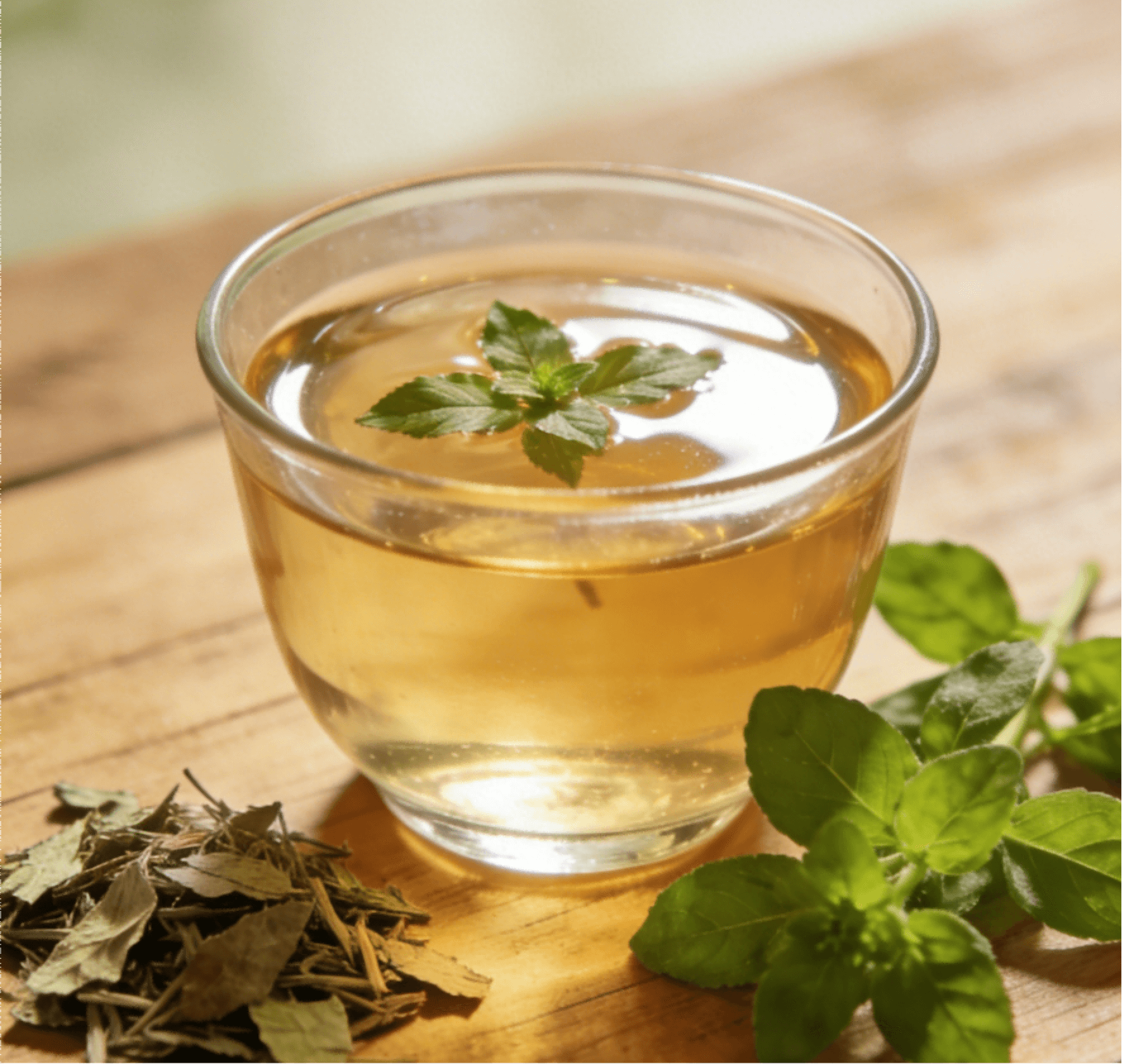
Less common but highly effective, oregano tea has a long history of medicinal use.
Why it works: Traditionally, people have used oregano tea to soothe sore throats and coughs ③. Oregano contains flavonoids and phenolic acids with antioxidant properties, and oils in oregano can block the growth of certain bacteria and viruses .
Best for: When you want antimicrobial benefits alongside throat relief.
How to make: Pour boiling water over 2 teaspoons of dried oregano, steep for 2-4 minutes, then strain and sip .
The Magic of Honey: Your Tea's Best Friend
Almost every sore throat tea benefits from one simple addition: honey.
Why honey works: Honey contains anti-inflammatory properties and antioxidants that may help fight off viruses . It soothes a sore throat by coating irritated tissues, and some experts believe honey may be as effective for suppressing coughs as certain cough medicines ⑥.
How to use: Stir a teaspoon of raw honey into your warm (not hot) tea. The warmth helps it dissolve while preserving honey's beneficial compounds.
Important: Never give honey to children under 1 year old due to the risk of botulism .
Lemon: A Simple Boost
Adding lemon to your tea does more than improve the flavor.
Why it works: Lemons contain vitamin C, an important nutrient when fighting a cold or virus . While vitamin C won't prevent illness, studies suggest it can help reduce the duration and severity of a cold .
How to use: Squeeze fresh lemon juice into any tea, or try lemon balm tea for a milder citrus option
Create Your Perfect Sore Throat Tea Blend
At HHC Health , we understand that everyone's ideal throat-soothing tea is different. Whether you prefer the floral notes of chamomile, the zing of ginger, or the coolness of peppermint, we can help create the perfect blend.
Looking to develop a signature wellness tea for your brand? We offer custom blending services tailored to your specific needs—whether that's enhanced throat-coating properties, complementary herbs for immune support, or a perfectly balanced flavor profile.
Contact us today to discuss your custom tea project. Let's create something soothing together.


