High Tea vs Afternoon Tea: What's the Difference and Which Teas to Serve?
What is High Tea? A Quick Guide (And How to Elevate It with Custom Teas)
If you're searching for "High Tea," you might be picturing dainty finger sandwiches, elegant porcelain cups, and a relaxing afternoon treat.
Here's the interesting part: That's actually Afternoon Tea.
Historically, High Tea was something quite different—and understanding this can help you host a better tea experience, whether at home or in your tea business.
High Tea vs. Afternoon Tea: The Real Story
Afternoon Tea (also called "Low Tea")
Who: The upper class
When: Mid-afternoon, around 4 pm
Where: Low comfortable chairs/sofas
What: Finger sandwiches, scones, cakes
Why: A light snack between lunch and dinner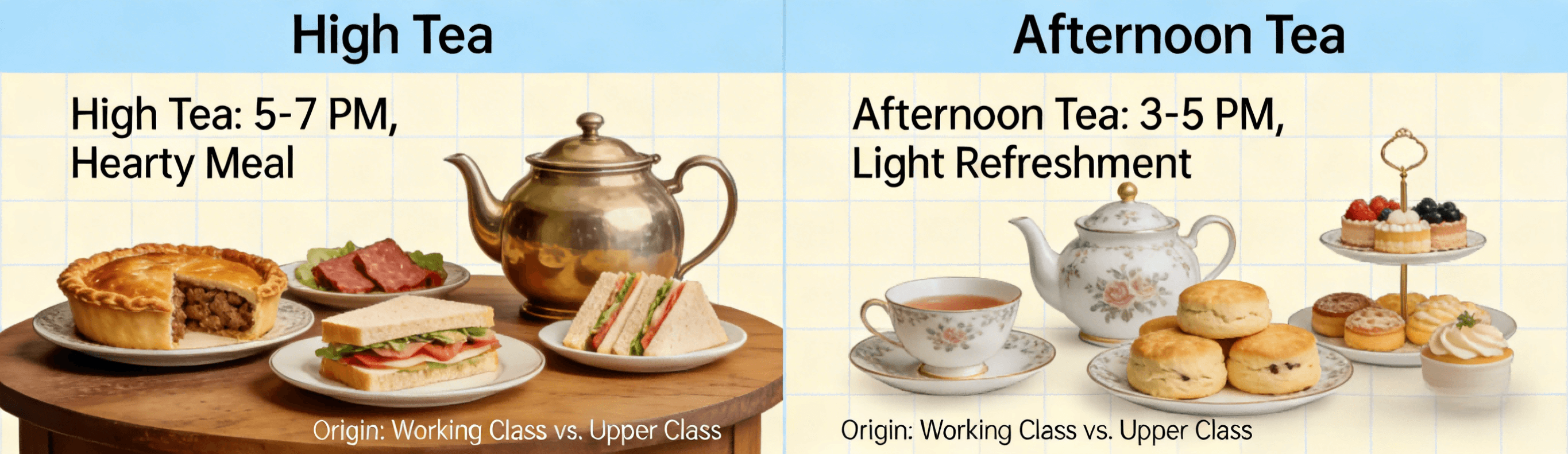
High Tea
Who: Working class families
When: Early evening, after work
Where: Regular dining table (high table)
What: Hearty meal—meat pie, fish, bread, cheese, potatoes
Why: It was dinner, not just tea
The name "High" comes from the high dining table, not from the elegance of the occasion.
What Does This Mean for Tea Lovers Today?
Modern usage has blurred the lines. Many hotels now offer "High Tea" as a fancy experience, and honestly—language evolves.
But if you want to host an authentic spread, here's a simple rule:
For light afternoon gatherings: Stick with Afternoon Tea style. Serve lighter teas like Darjeeling or jasmine with delicate pastries.
For heartier evening meals: Go with the High Tea spirit. Think robust, full-bodied teas that can stand up to savory foods.
The Perfect Teas for a Hearty High Tea
If you're serving a substantial meal (meat pies, cheeses, hearty bread), your tea needs to keep up. Delicate white teas will get lost. Instead, consider:
Assam: Malty, strong, perfect with milk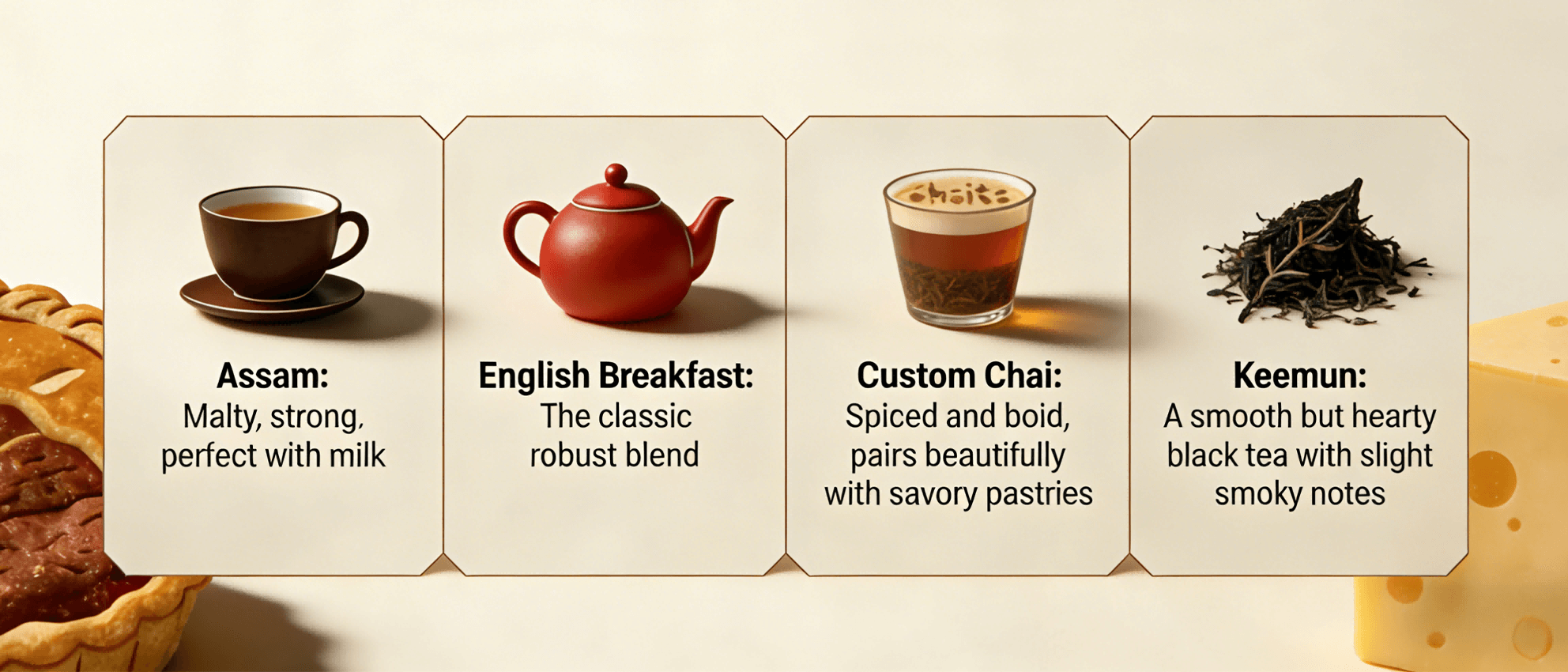
English Breakfast: The classic robust blend
Custom Chai: Spiced and bold, pairs beautifully with savory pastries
Keemun: A smooth but hearty black tea with slight smoky notes
Bring Your Own High Tea to Life
Whether you're a tea room owner planning a special menu, or a host wanting to impress guests, the right tea makes all the difference.
At [Your Company Name], we don't just supply tea—we help you create the perfect blend for your specific occasion.
Looking to develop a signature tea for your brand? Let's talk.


